What “The High Impact Growth Blueprint” by Mac Srinivasan revealed about the gap between ambition and infrastructure.
Growth gets celebrated long before anyone really understands it.
We love talking about expansion, bigger teams, new markets, chapters multiplying. What we don’t talk about nearly enough is what growth actually feels like from the inside while it’s happening. The confusion. The calendar chaos. The creeping realization that whatever worked last year doesn’t quite fit anymore.
That’s the territory The High Impact Growth Blueprint by Mac Srinivasan covers, and it does it without any drama or hyperbole.
The book doesn’t treat growth as something you chase harder or want more intensely. It treats it as something you actually prepare for.
The message from page one is pretty clear. If growth is your goal, structure is your work. Not suffocating bureaucratic structure, but intentional design. The kind that lets teams perform consistently well instead of constantly running on adrenaline and heroic last minute efforts.
What makes the book land is that it gets a reality I deal with constantly. Growth usually doesn’t fail because people aren’t motivated enough. It fails because systems can’t keep up with ambition.
Teams expand but roles stay vague. Goals get bigger but processes stay improvised. Expectations climb but communication doesn’t evolve at the same pace.
The whole blueprint idea is built on that truth. You can’t scale outcomes without first scaling clarity.
Instead of framing high performance as working harder and faster, the book frames it as alignment. When people actually understand where the organization is headed, what matters right now, and how their work connects to the bigger picture, performance becomes more natural.
Less forced. Less draining. Growth starts feeling like momentum instead of constant pressure.
There’s also a surprisingly human thread running through the entire book.
Teams aren’t treated like interchangeable machinery. They’re treated like living systems that respond to trust, clarity, and consistency. Culture isn’t positioned as some nice-to-have side conversation. It’s the operating system.
How decisions actually get made. How feedback really gets handled. How leaders show up when things go sideways.
Those moments shape performance long before any dashboard captures it.
One idea that really resonated is the distinction between activity and effectiveness. I see this all the time. Plenty of chapters are busy. Way fewer are actually aligned.
The blueprint pushes leaders to look honestly at where energy is going and whether that energy is genuinely moving things forward. That kind of honesty is uncomfortable. But it’s necessary.
Growth doesn’t mean doing more of everything. It means doing the right things deliberately.
I appreciate that the book doesn’t pretend growth is clean or predictable. It acknowledges complexity without drowning you in it. Instead of handing you some rigid formula, it offers a way of thinking.
Build teams that understand each other. Create systems that support work instead of strangling it. Lead with intention instead of just reacting to whatever’s on fire today.
Sounds simple. Living it consistently takes actual discipline.
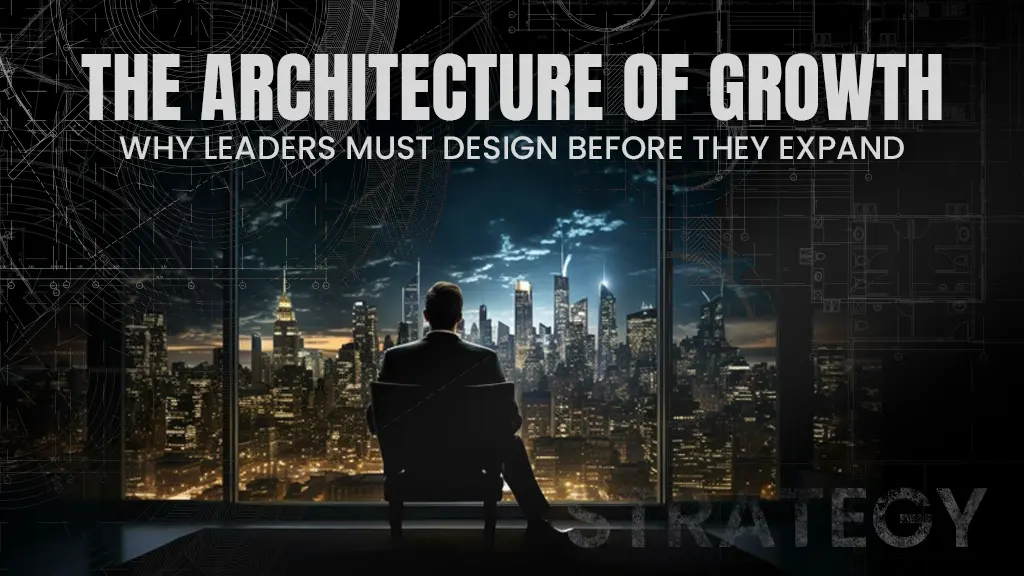
Leadership in this book isn’t about having every answer. It’s about designing environments where good work can happen reliably. Leaders are framed as architects, not firefighters. The job isn’t controlling every outcome. It’s making sure the foundation can handle whatever comes next.
When that foundation is solid, growth becomes less fragile.
For organizations looking to scale, the book offers a grounded reminder. Growth magnifies everything. Your strengths get more visible. Your weaknesses get harder to hide. Your culture gets louder. Your systems either hold up or they collapse.
The blueprint approach helps you prepare for that reality instead of getting blindsided halfway through.
What you ultimately take from The High Impact Growth Blueprint isn’t a checklist. It’s a clearer lens. You start noticing where growth is actually supported versus where it’s being held together with duct tape and hope.
You begin asking better questions. Not just “how fast can we grow?” but “what needs to be true for this growth to actually last?”
This isn’t a book about chasing growth for the sake of having bigger numbers to talk about. It’s about building something that can grow well. With teams who feel supported. With systems that make sense. With leadership that’s thoughtful instead of purely reactive.
In a business world obsessed with speed and scale, this book quietly shifts the conversation.
Growth that lasts gets built, not rushed. It gets designed, not forced.
When you really understand that distinction, growth stops feeling like something happening to you and starts feeling like something you’re building on purpose.
That’s what the blueprint actually gives you. It doesn’t make growth louder or flashier.
It makes it steadier.